The Renters Aren't Leaving.
And to me, that could be the first real clue that the apartment cycle is starting to turn.
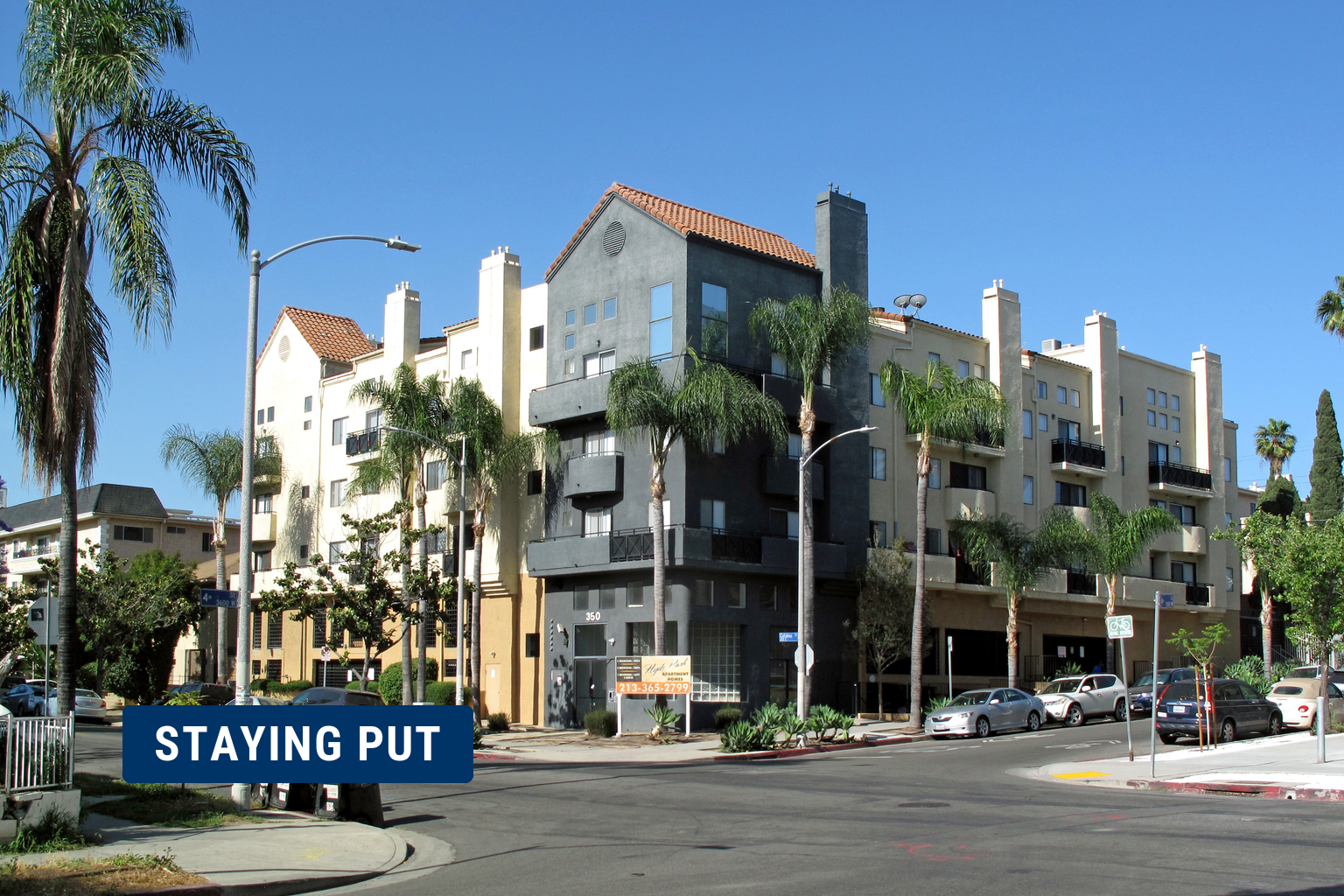
For the last few years, apartment owners like me have been waiting for lower interest rates, higher rents and less new building.
But one of the more interesting signs may be coming from renters themselves.
The New York Fed just found something big:
In 2014, renters said there was about a 57% chance they would move within the next three years.
Today, that number is just 37%.
Renters have almost stopped moving.
Jay Parsons recently pointed out the finding, saying:
“The share of renters planning to move within 3 years has plunged.”
Why?
Buying a home is more and more out of reach.
The New York Fed found that renters haven't suddenly stopped wanting to own homes.
About 65% still say they would rather own if they could afford it.
But the chance they think they'll ever become a homeowner has fallen from about 52% in 2015 to 35% in 2025.
That's changing how people act.
Renters who think they have little chance of ever owning a home say there's only about a 25% chance of moving within three years.
Renters who are very sure they'll own someday?
76%.
The message is pretty simple:
If buying a house feels impossible, staying in your apartment starts looking pretty good.
And I think that could be good news for apartment owners.
Longer stays can mean fewer empty units, fewer renovations between tenants, lower leasing costs and more renewals.
But renter behavior is only half the story.
The apartment building boom is slowing.
For several years, the country built a huge number of apartments.
Now that wave is starting to fade.
In the second quarter of 2026, only 77,700 apartments were completed nationally, down 14% from a year earlier.
Meanwhile, renters filled 167,000 apartments.
That's more than two apartments filled for every new apartment finished during the quarter.
And demand has now beaten new supply for two quarters in a row.
That's a big change.
Los Angeles may be even more interesting.
Only 666 apartments started construction in Greater Los Angeles during Q2.
One quarter earlier?
4,599.
That's a huge drop.
Meanwhile, LA apartment sales in the first half of 2026 rose 47% from last year, even as the average price per unit was still down 4.7%.
So I'm seeing an unusual mix:
Renters are staying longer.
Buying a house remains difficult.
Apartment demand is beating new supply.
Developers are starting fewer projects.
And investors are beginning to buy again.
But prices and rents haven't fully recovered.
So, is the apartment bottom in?
I don’t think we can say that yet.
There's still plenty of new supply being filled. Los Angeles rents are still slightly below last year, according to Colliers, and loans are still expensive.
But I do think we can say something is changing.
The interesting part of a real estate cycle isn't when everyone knows the market has recovered.
It's the time before that happens.
When prices are still down.
When investors are still nervous.
When the headlines still aren't great.
But the numbers underneath quietly start moving the other way.
We may be entering that time now.
My Take
I wouldn't call the apartment bottom.
But I am watching for it.
Because renters aren't leaving, building is slowing, and demand is starting to outrun new supply.
And sometimes, the bottom only becomes obvious after you’ve already passed it.
If you like this story, share it.