Bought for $13 Million. Renovated. Sold for $5 Million.
We hear “you can’t lose at this basis” all the time. This fully leased building was renovated, carried for eight years and still sold for $8 million less than its prior purchase price.
At a glance
confirmed, closed 7/13/2026
initial ask
12.3% below ask
on 34,550 gross SF
renovated 2021
7 stories, reinforced concrete
What matters
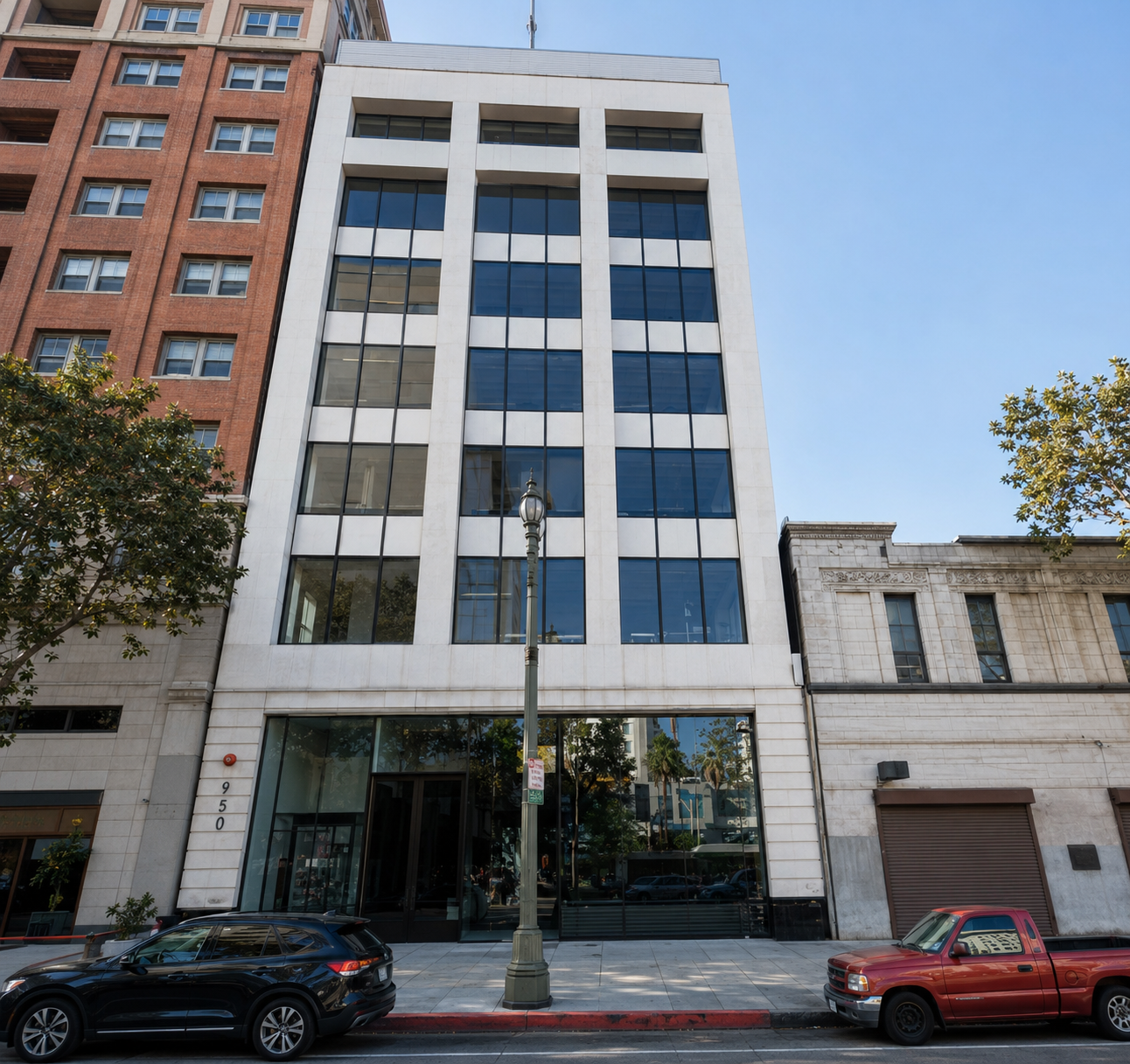
- The building lost 62% of its purchase price 950 S Broadway is a seven-story office and retail building in Downtown Los Angeles. It was purchased the 34,550-square-foot property from G.H. Palmer Associates for $13 million in January 2018. That worked out to approximately $376 per square foot. In July 2026, the building sold for $5 million—or just $145 per square foot. That is an $8 million decline in price and a 62% loss in recorded value. The property spent 314 days on the market and ultimately sold 12% below its $5.7 million asking price.
- The real economic loss may have been even larger The building was reportedly renovated in 2021, but the amount invested in those improvements has not been disclosed. The $8 million price decline does not include renovation costs, financing, property taxes, insurance, leasing expenses or selling commissions. Property taxes alone were approximately $184,000 in 2025. The building generated rental income during the ownership period, which may have offset some of these costs. Without the complete rent, debt and renovation records, we cannot calculate the seller’s exact total return. What we can confirm is that the building sold for $8 million less than its 2018 purchase price before accounting for any additional capital invested.
- Full occupancy did not protect the valuation. The property was reportedly 100% leased when it sold. Approximately 27,407 square feet is office space and another 7,143 square feet is retail. That is what makes this sale important. This was not simply a vacant office building being liquidated. It was renovated, fully leased and held for more than eight years—and the market still repriced it from $376 to $145 per square foot.
- The new buyer has a completely different risk profile. The new owner purchased the same building at $145 per square foot—approximately 36% below the Downtown market’s reported average sale price of $227 per square foot. The acquisition included a $1 million loan, equal to only 20% of the purchase price. That suggests the buyer contributed approximately $4 million of equity. The loan has a 12-month term and is classified in public records as construction financing, which may indicate another round of improvements or repositioning. The property’s assessed value before the sale was approximately $14.8 million, nearly three times the purchase price. A future reassessment could materially reduce the current $184,000 annual property-tax expense, although the final value will be determined by the county assessor.
Deal stats
What an Operator Sees
The lesson here is not that the original buyer was foolish or made a bad decision based on what was known in 2018.
Nobody buying at that time could fully predict COVID, the collapse of the office market, rapidly rising interest rates or Downtown Los Angeles’ continued deterioration.
I do not judge the investor. I want to study what happened to the investment. What I can learn and how we can reduce risk and improve IRR.
The building was purchased for $13 million, renovated, fully leased and held for more than eight years. It later sold for $5 million—a recorded price decline of $8 million.
The full economic result is more complicated. Rental income may have offset part of the loss, while renovation costs, financing, taxes, insurance, leasing expenses and commissions may have increased it.
What this sale clearly demonstrates is how much timing and basis matter. You can't just buy and think because you will hold it for a long time that you will come ahead. I learned this a few times myself when I could have sold and didn't.
The prior owner entered at $376 per square foot. The new buyer entered at $145 per square foot with only 20% leverage.
Same building. Completely different basis. Completely different risk.
The lesson is not that investors should stop taking risks. It is that the purchase price is only the beginning. When an asset requires renovations, leasing costs and years of expensive carry, the downside can become much larger than the decline visible in public records.
There is no price where you “can’t lose.”
There are only prices that give you a larger margin for error.
I research these transactions to sharpen my own investment strategy and share what I find so Los Angeles owners, brokers and investors can debate the market with better information.
Know one other LA owner who'd want this deal? Forward this — reply with their email and I'll add them.
Property and transaction data: CoStar Research.
Write to David Safai at David@AtlasBrief.La
Appeared in the Sept. 6, 2026 edition of The Tape.