The Internet Bubble Broke Stocks. Cheap Money Broke Real Estate.
The S&P 500 ended 2009 below where it began in 2000 after the dot-com crash and the 2008 financial crisisI. Investors still made very little over the full decade. Now it may be the same cycle pattern for Real Estate
Real estate has gone sideways and lower in some areas and higher in others.
Is this how bubbles correct?
I had to dive in and do the research.
A Conversation That Made Me Want to Research this
I was talking to a friend about how bad real estate has felt.
“Damn, the market sucks,” I told him. “Meanwhile, stocks have gone up like crazy.”
Then I pointed out that from 2000 to 2010, the stock market went almost nowhere while real estate exploded.
He gave me a simple answer:
“It took ten years to absorb the internet bubble.”
That stopped me.
Maybe this is what real estate is doing now.
Maybe the 2000s were spent processing the internet bubble—and the 2020s are being spent processing the real estate bubble created by cheap money.
What Happened After 2000?
By 2000, investors believed the internet would change everything.
They were right.
But they paid insane prices for it.
When the bubble busted, the Nasdaq fell about 80%.
It took approximately 15 years to return to its 2000 high.
From the end of 1999 through the end of 2009, the S&P 500 produced an average annual return of negative 0.9%, even including dividends.
It became known as the stock market’s “lost decade.” as it was written about.
As we now see, it didn’t die forever.
The market needed time for earnings to catch up with the prices investors had paid.
While that was happening, money moved into real estate.
Then that bubble broke too.
Commercial real estate values eventually fell about 40% from late 2007 through early 2010.
Then Money Became Almost Free
Following the financial crisis, interest rates remained extremely low for years.
Then COVID arrived.
Rates went to nearly zero.
Money flooded the system.
Commercial Real estate loans could be fixed around 3%!
Cap Rates tanked to 3.5-4%.
Low rates made more projects look profitable, so more projects were built.
Then the Fed raises interest rates and Financing is 300bps higher now at around 6%.
The Price Has Already Fallen
Commercial Real Estate values are down 15-35% on average with office down 30-70% based on the asset.
Take Leverage on top of that and losses can wipe out 100% of an owner's equity.
Owners still have old fixed-rate loans.
Banks are extending loans and changing terms.
Owners are contributing more cash.
Stocks reset every second. Real estate can avoid telling the truth for years.
The market does not crash all at once.
It can correct slowly through inflation, rising income and rates going lower. Or if owners finally accept lower rates.
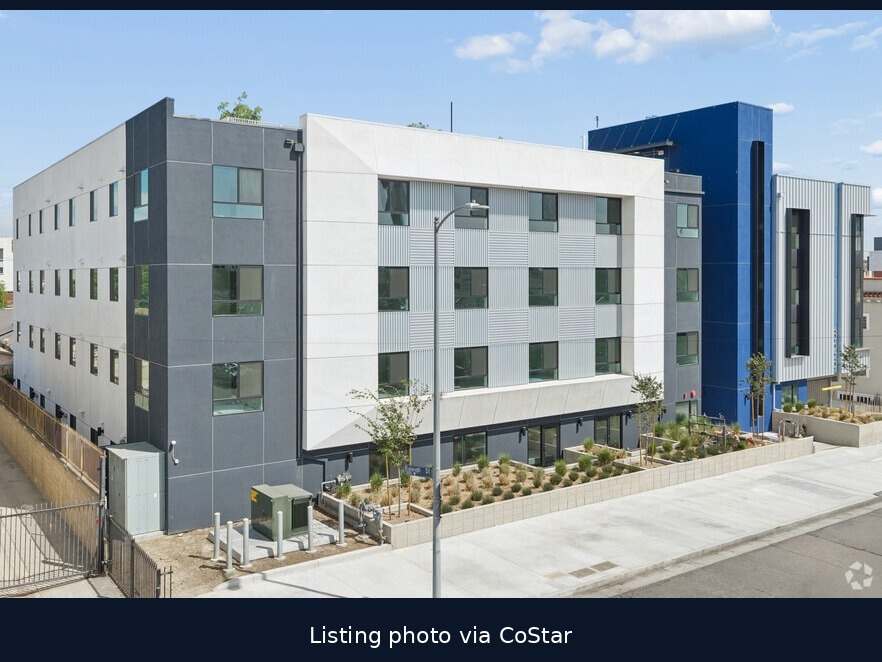
Multifamily
Apartments were a big winner with low rates. It was like a great bond.
Buyers paid extremely low cap rates because they expected rents to continue rising.
Developers built hundreds of thousands of units using the same assumption and not even taking location risk into consideration.
Those units are now being delivered.
National rents increased only about 1% during the first half of 2026.
The oversupply is not everywhere. It is concentrated in certain cities and for expensive units that developers were mispricing assumptions.
Los Angeles completed about 15,000 apartments in 2025. Vacancy rose to 6.1%, while rents fell. Now in 2026, my data is showing rents are flat in some regions and slightly ticking up.
Multifamily construction starts fell more than 40% from 2023 through 2025 because of rates and construction costs.
We may need another couple of years to absorb what was already built. In some parts of the city, I don’t see a lot of new developments.
I see very little supply of great Market Rate properties.
By the time the existing units fill, we could move directly from excess supply into another shortage.
Multifamily may not recover because rates fall.
It may recover because construction stops long enough for demand to catch up.
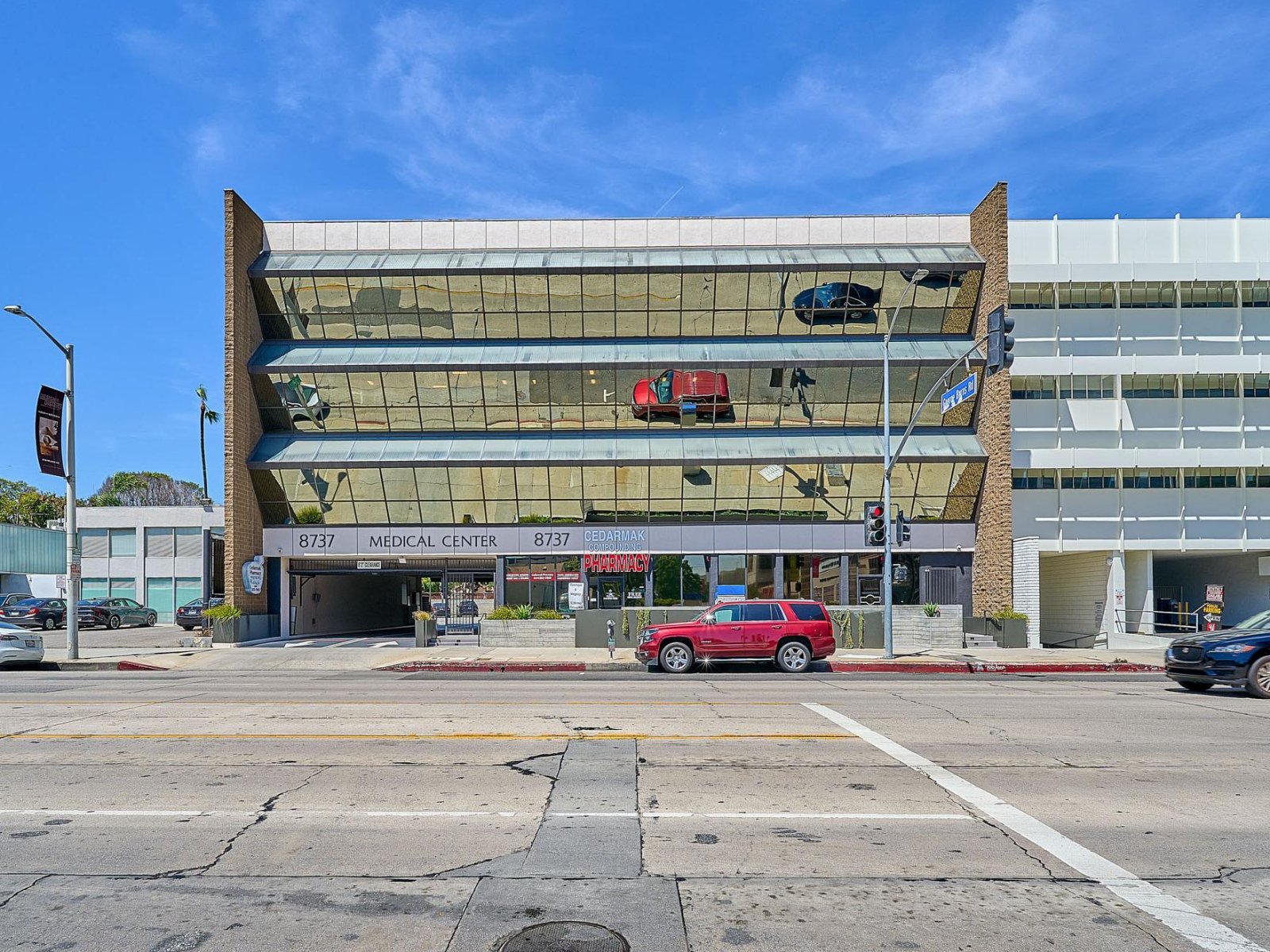
Office: The Problem Is Bigger Than Interest Rates
Office is the most damaged sector.
Office values remain roughly 35% below their 2022 peak.
Los Angeles office vacancy is above 20%: CBRE, Avison Young
This is not only a low-rate bubble correcting.
Companies discovered that employees could work from home. You know the rest.
Office may be the sector that truly needs a decade to correct.
Some buildings will recover.
Some will be converted.
Some are being sold for a fraction of their old value.
And some are going to be torn down and the land used to build Homes on it.
Industrial: A Boom That Is Returning to Normal
Industrial real estate experienced its own bubble.
During COVID, consumers bought everything online.
Companies needed more warehouses.
Industrial prices rose more than 30% in one year at the peak.
Investors pushed prices too far.
Developers responded with new supply. Vacancy rose. Rent growth slowed
This looks more like a normal correction to me.
Industrial did not lose its reason to exist like a lot of office has.
The buildings are still needed.
The prices need to support it.
Retail: The Interesting sector
For years, investors heard that online shopping would kill physical stores.
Weak malls closed.
Retailers failed.
Developers built very little new retail.
That pain limited supply.
The strongest retail is not a giant mall.
It is often a neighborhood center with a grocery store, food, fitness, medical uses and services that cannot be delivered.
Retail already went through its lost decade.
Now it has something apartments and offices do not: very little new competition.
Data Centers: The New Trade
Data centers are the clear winner today. As for now.
AI and cloud companies need enormous amounts of computing power.
North American data-center vacancy remained around 1% through the end of 2025.
Asking prices increased 6.5%, reaching record levels.
Much of the space being built is leased before construction is finished. JLL, CBRE
The scarce item Power.
AI is real. Data-center demand is real.
That does not mean every data-center development will be profitable.
Construction costs have risen from what it was.
Data centers may be the best real estate sector of this decade.
They may also be where today’s excitement creates overbuilding at higher costs.
Is This Real Estate’s Lost Decade?
We are only about Five years into the correction.
Values are still lower.
Sales remain down with very little transactions.
Many old loans have not matured.
Owners are still waiting for rates to return to where they were.
They may be waiting for something that is not coming.
The good thing with Real estate is that it produces income.
The problem is leverage.
What I Think Is Happening
The low-rate bubble is not correcting through one major collapse like it was in 2007-2010.
It is correcting slowly:
- Multifamily is absorbing the construction.
- Office is trying to determine what it doesn’t need.
- Industrial is settling down after Covid.
- Retail is getting the benefit of no new construction.
- Data centers are the new hot thing.
The 2000s showed you can invest in the Internet at the wrong price and lose most of your equity.
The 2020s may teach real estate investors the same thing about cheap money.
Sometimes a bubble does not end with a crash.
Sometimes it could end with ten years of waiting.
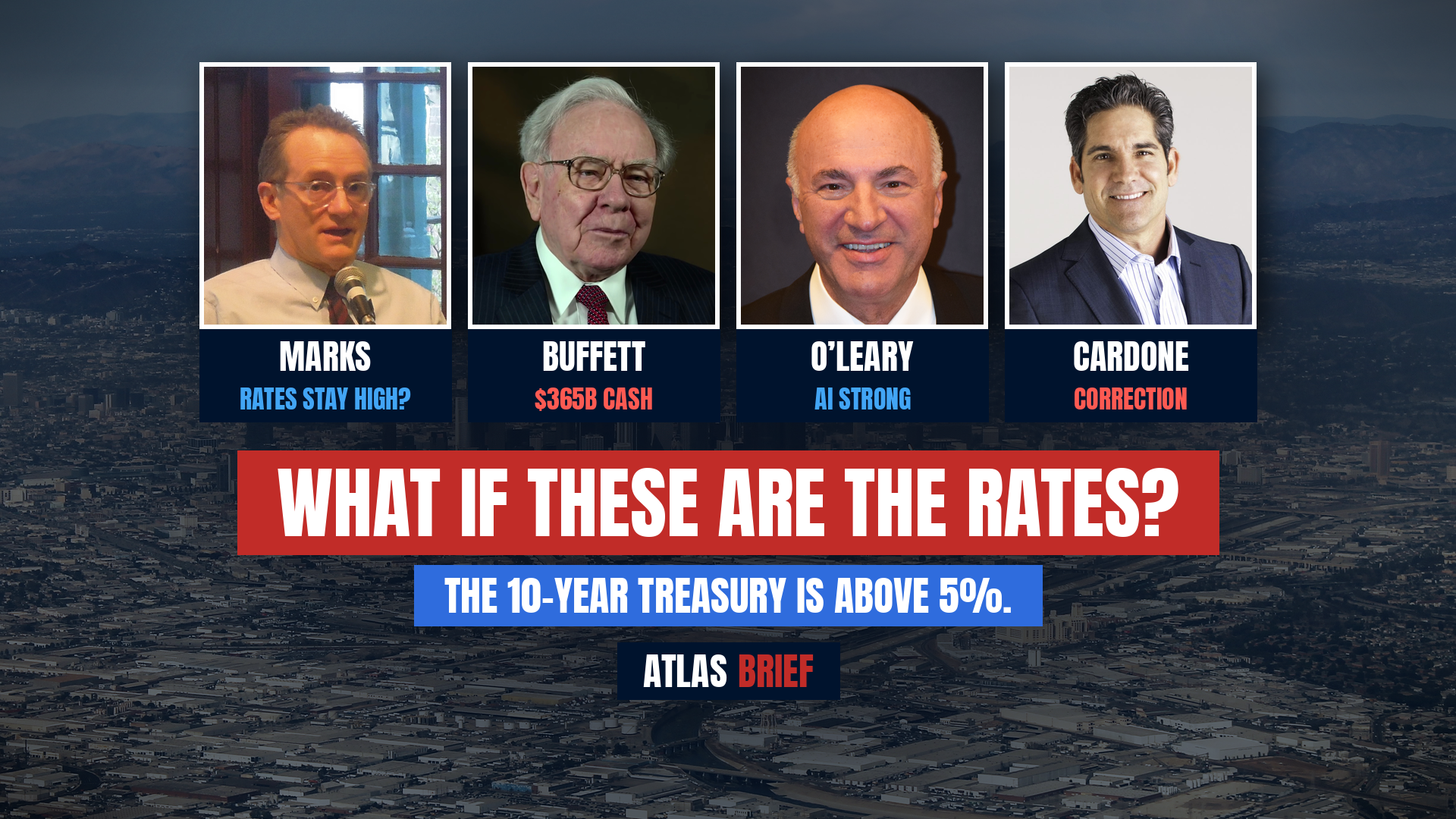
My personal thinking at this moment is that rates stay high.
We get absorb the new inventory.
Developers stop building and rents go up and that is what will correct the Market.
Another investor is also pointing out to New York showing that Non RSO rents are going was higher and setting new highs. This increases the probability of seeing something like that occurring in Los Angeles also.
This could push rents up another 10-20% by 2028-2030 and soften the blow.
I'm researching the market to make better investment strategies. I'm sharing what I find along the way with other investors to have discussions, debates and help make better decisions.
Follow Atlas Brief on X
Get daily Los Angeles commercial real estate news, deal activity, market data, and development updates.
Write to David Safai at David@AtlasBrief.La
Appeared in the Aug. 8, 2026 edition of The Tape.