The UC Regents Bought $49.8 Million of Westwood From the Family Behind UCLA Anderson
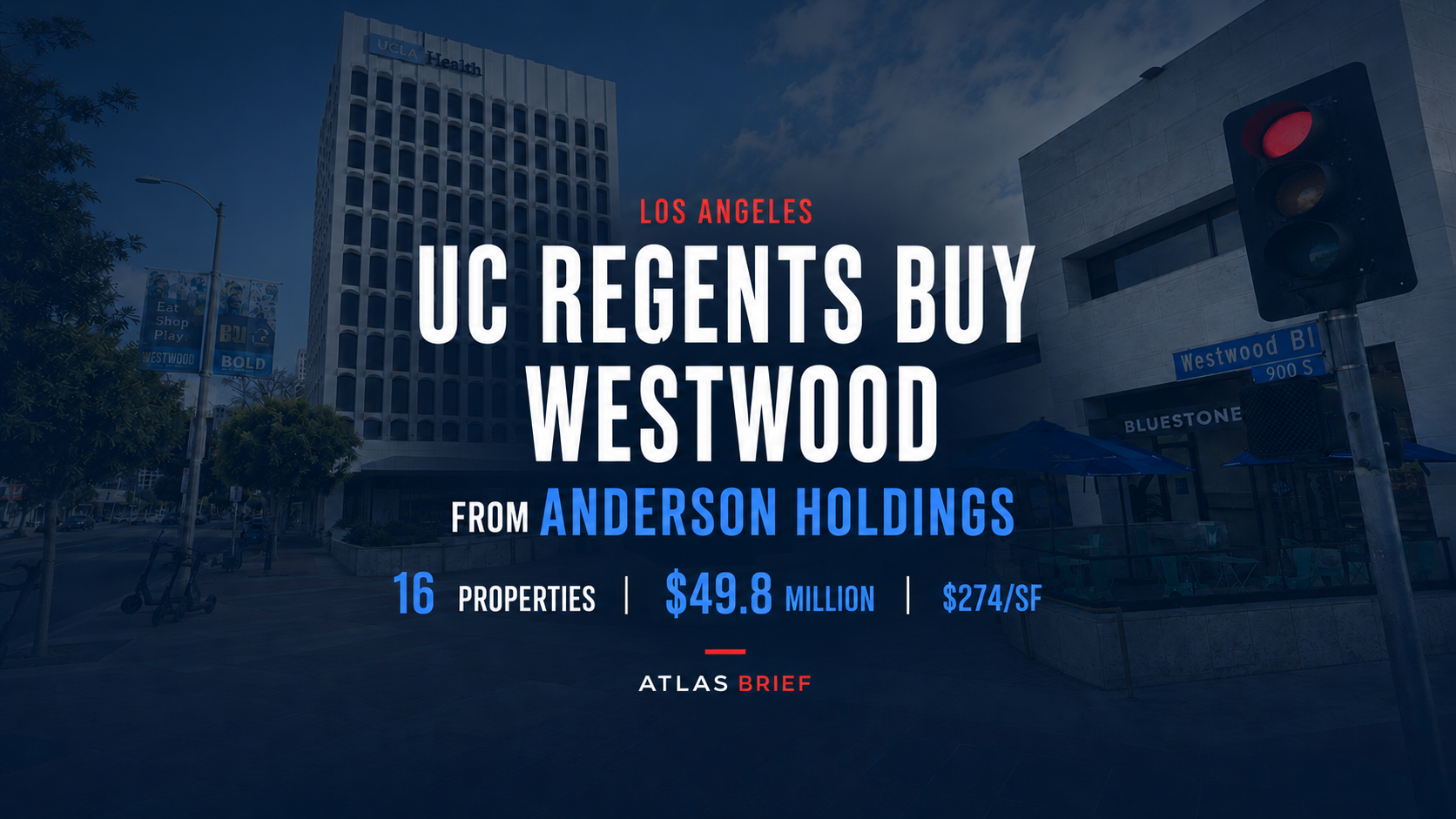
The Regents acquired 16 Westwood Village properties for $49.8 million from Anderson Holdings. The family real estate company behind John E. Anderson, whose name is on UCLA’s business school. The portfolio traded at approximately $274 per building square foot, but the buyer’s plans have not been announced.
Correction
An earlier version of this article identified UCLA as the buyer.
That was incorrect.
The recorded buyer was The Regents of the University of California, the governing body of the entire University of California system.
The true seller was Anderson Holdings, the private family-owned real estate company connected to John E. Anderson—the Minnesota hockey player who came to UCLA, built a major Los Angeles business organization and ultimately put his name on UCLA’s business school. I just got an updated complete story about this great man and Hockey player and excited to bring updates along.
The buyer, seller and meaning of this transaction are different from what I originally reported.
The corrected story may be even more interesting.
The Numbers Are In
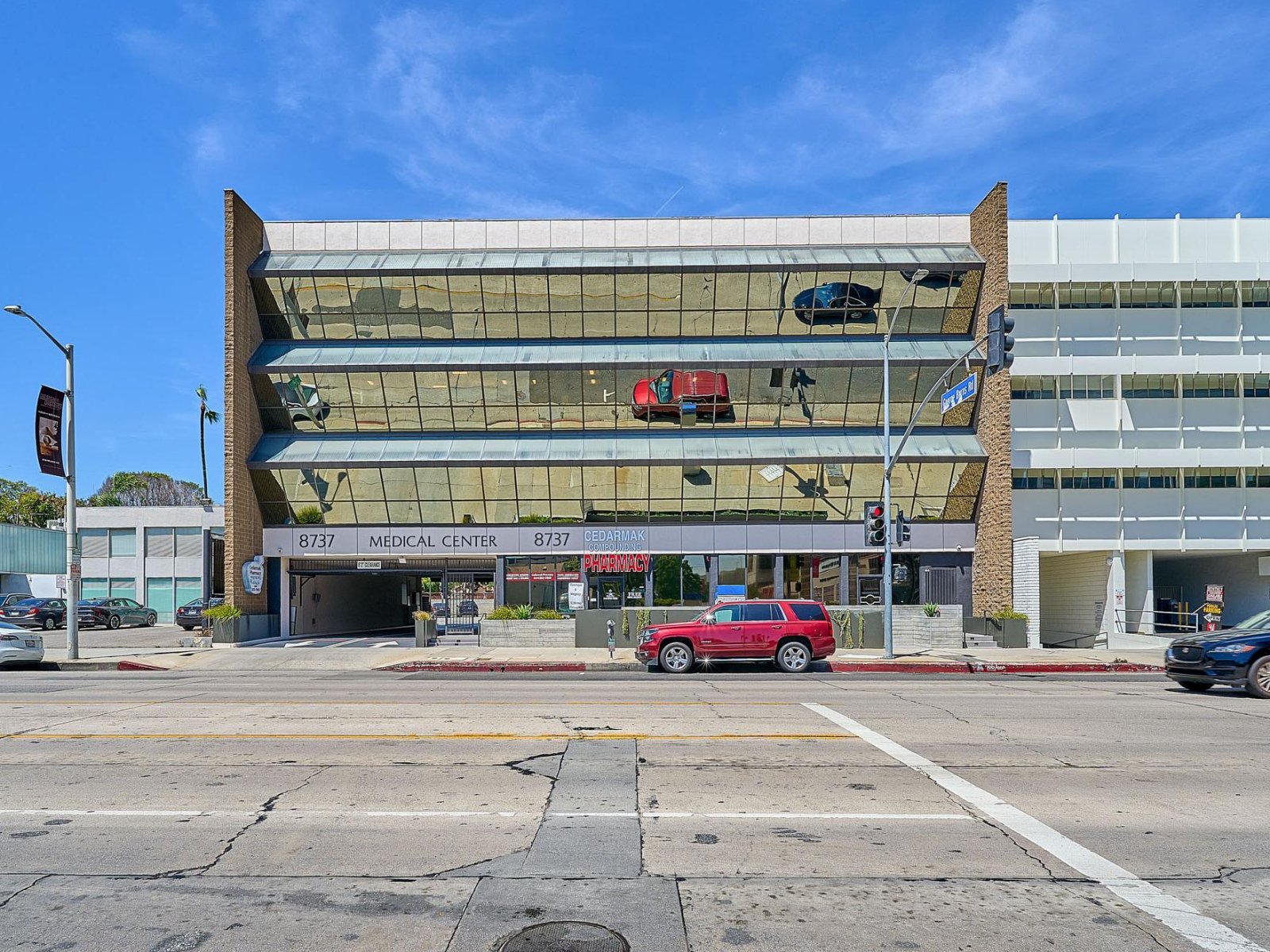
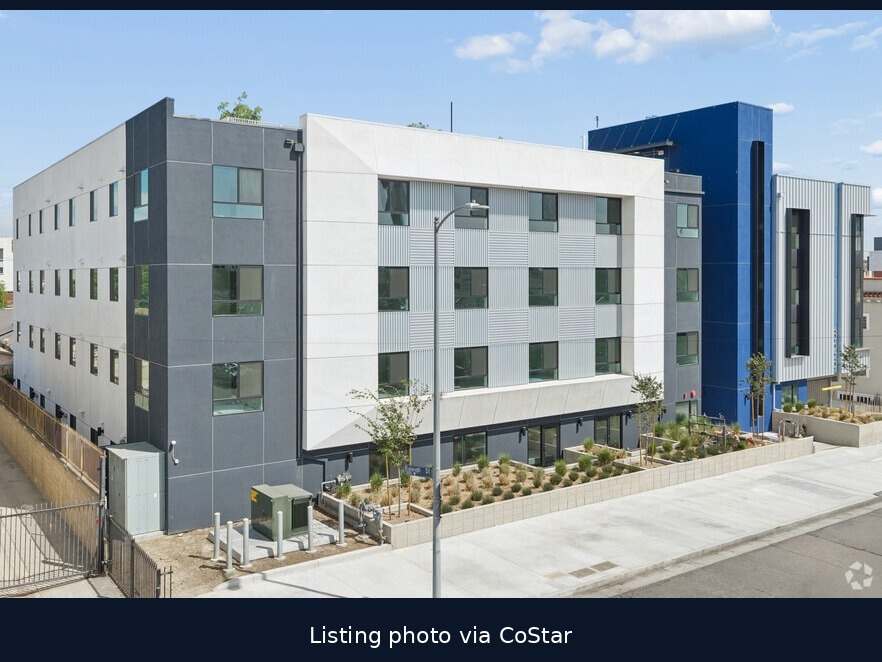
The Regents of the University of California acquired approximately 16 commercial properties in Westwood Village from Anderson Holdings for approximately $49.8 million.
The portfolio contains approximately 181,855 square feet of retail, office and open space.
Most of the properties are concentrated along Westwood Boulevard, with additional properties on Kinross Avenue, Gayley Avenue and Lindbrook Drive.
The transaction was recorded on July 10, 2026.
Here are the numbers:
- Purchase price: approximately $49.8 million
- Number of properties: approximately 16
- Building area: approximately 181,855 square feet
- Estimated land area: approximately 115,000 square feet
- Average building basis: approximately $274 per square foot
- Estimated land basis: approximately $432 per square foot
- Recorded buyer: The Regents of the University of California
- True seller: Anderson Holdings
The biggest unanswered question is what the Regents intends to do with the properties.
The acquisition has been connected to UC Investments, the systemwide investment office that manages retirement, endowment and cash assets for the University of California.
But that does not make UCLA the buyer.
It also does not establish that the buildings will be occupied or redeveloped by UCLA. I hope they are, but lets see what happens because I want Westwood to be thriving again.
The portfolio’s location immediately south of the campus makes a future UCLA connection possible, but no specific use has been publicly confirmed.
The Buyer Was the UC Regents—not UCLA
The Regents of the University of California is the 26-member governing board of the entire University of California system.
The Regents oversees 10 campuses, including UCLA, along with UC medical centers and national laboratories.
The board also exercises authority over university policies, financial affairs, tuition and long-term planning.
The recorded ownership does not tell us whether the Westwood properties were purchased as investments, for a future university use or as part of another long-term strategy.
That distinction matters.
We can say the University of California system acquired the portfolio.
Until the Regents, UC Investments or UCLA announces a specific plan, the intended use remains an open question.
What Is UC Investments?
UC Investments is the investment office for the entire University of California system.
It manages approximately $190 billion across university retirement, endowment and cash assets.
That does not mean UC has a $190 billion endowment. The total includes several different investment pools managed on behalf of the university system.
The simplest way to explain the transaction is:
The Regents is the recorded buyer. UC Investments is connected to the investment. UCLA’s future involvement has not been confirmed.
The True Seller Was Anderson Holdings
Anderson Holdings is a private, family-owned real estate company headquartered at 1800 Avenue of the Stars in Century City.
The company develops, renovates, leases and operates office, retail, mixed-use and industrial properties.
Its portfolio has been reported at approximately 4.5 million square feet across 77 properties in Los Angeles, Ventura County, Hawaii and the U.S. Virgin Islands.
Anderson Holdings has completed approximately $217.6 million in property dispositions during the last five years.
It was a sophisticated private owner selling a concentrated Westwood portfolio that it had controlled through affiliated entities since approximately 2002.
The Seller’s UCLA Connection
John E. Anderson was born in Minnesota in 1917.
His father was a barber.
Anderson came to UCLA in 1936 on an ice hockey scholarship and played for the university through 1940.
He met his first wife, Peggy Stewart, while they were both attending UCLA.
After graduating, Anderson earned an MBA from Harvard and served in the Navy during World War II.
He eventually built Topa Equities into a collection of businesses spanning real estate, insurance, beverage distribution, automobile dealerships and agriculture.
He also co-founded Kayne Anderson, a name that remains prominent in real estate and investment management today.
Anderson never forgot the university that gave him his start.
His $15 million gift in 1987 led to UCLA’s business school being renamed the John E. Anderson Graduate School of Management.
After his death, Marion Anderson gave UCLA Anderson an additional $100 million in 2015.
It was the largest gift in the business school’s history.
Marion Anderson Hall was later named in her honor.
Now the family real estate company connected to John Anderson has sold a major Westwood Village portfolio to the governing body of the university system he supported throughout his life.
That is the full-circle connection.
The $89-Per-Square-Foot Building
The most striking number in the portfolio may be the allocated price for 1000–1010 Westwood Boulevard.
The property contains approximately 64,491 square feet—more than one-third of the portfolio’s total building area.
Its allocated purchase price was approximately $5.75 million.
That works out to only about $89 per building square foot.
It gives the buyer an extremely low building basis in one of the most difficult places in Los Angeles to assemble land.
The real question is how much additional capital will be required to renovate, lease and operate it and what their plans are.
Anderson Helped Preserve Part of Westwood Village
Another important property in the portfolio is the Kinross Cornerstone at Gayley and Kinross.
The property includes 10912–10920 Kinross Avenue and 1108–1114 Gayley Avenue.
It was originally known as the Shepard Mitchell Building.
The Spanish Colonial Revival building was constructed in 1930 and designed by Stiles O. Clements, whose architectural firm helped shape much of early Los Angeles.
Anderson restored the building, bringing back its historic exterior details and returning commercial activity to the corner.
Today, the building represents something Westwood needs more of: historic architecture that has been restored and made useful again.
The Regents is not simply acquiring neglected land.
It is also acquiring properties that a serious private owner spent years preserving and repositioning.
The Hockey Story
John Anderson arrived at UCLA on a hockey scholarship in 1936.
Two years later, the Tropical Ice Gardens opened in Westwood Village and became home to UCLA’s ice hockey team.
The year-round outdoor rink could accommodate approximately 2,000 skaters and as many as 12,000 spectators.
The rink was located southwest of Gayley and Weyburn, where UCLA’s Weyburn Terrace is now.
It was not located at 1000–1010 Westwood Boulevard and does not appear to be one of the properties included in this transaction.
But the connection is still important.
Hockey brought Anderson from Minnesota to UCLA.
Westwood Village became his home.
He built a major business organization, invested in Westwood real estate and gave more than $140 million with his family to UCLA.
Now his family’s real estate company has sold part of Westwood Village to the governing body of the University of California.
Four Key Takeaways
1. The UC Regents acquired 16 Westwood Village properties for approximately $49.8 million
This was not a direct acquisition by UCLA.
The recorded buyer was The Regents of the University of California, which governs the entire UC system.
Until the intended use is announced, we cannot call it a UCLA expansion.
2. The land basis may matter more than the existing buildings
The portfolio traded for approximately $274 per building square foot and an estimated $432 per land square foot.
That gave the Regents a concentrated position in Westwood that would be extremely difficult to assemble one property at a time.
3. Anderson Holdings appears to be rotating capital
The company has completed approximately $217.6 million in property dispositions over the last five years.
That suggests a broader portfolio strategy by an experienced family owner not a forced sale by an undercapitalized landlord.
4. The intended use remains the biggest unanswered question
The Regents could hold the properties as investments.
It could renovate and lease the existing buildings.
The properties could eventually support UCLA or become part of a longer-term redevelopment strategy.
Until plans are announced, those possibilities remain speculation.
What an Operator Sees
The headline is not simply that a university governing body bought buildings near one of its campuses.
The real story is that the UC Regents acquired scarce Westwood land from one of Los Angeles’ quietest family real estate companies at approximately $274 per building square foot and $432 per land square foot.
The seller was connected to the man whose name is already on UCLA’s business school.
The buyer has capital, patience and no need to force an immediate redevelopment.
And the portfolio includes one large building allocated at only $89 per square foot.
That is the opportunity—and the risk.
Buying below replacement cost does not eliminate the cost of vacancy, renovations, tenant improvements, leasing commissions or years of carrying the property.
But if Westwood Village recovers, controlling 15 properties near UCLA at this basis could become extremely valuable.
The original story was that UCLA was buying Westwood.
The accurate story is more nuanced:
Anderson Holdings sold part of Westwood Village to the UC Regents, bringing John Anderson’s relationship with the University of California full circle.
As a Bruin, I hope this investment becomes part of Westwood Village’s recovery.
But as an operator, I want to know what the Regents plans to do next and how investors like me can help improve our community and find opportunities that can pay reasonable returns for an investor.
If you liked this story, share it.
Follow Atlas Brief on X
Get daily Los Angeles commercial real estate news, deal activity, market data, and development updates.
https://x.com/AtlasBriefLA
Send OM's to David@AtlasBrief.La
Write to David Safai at David@AtlasBrief.La
Appeared in the July 21, 2026 edition of The Tape.